


Service Design Blueprints for a Smoother Home

Today we explore Service Design Blueprints for Streamlining Household Chores, translating professional service design practices into friendly, everyday routines that reduce friction and create calm. Expect real examples, actionable steps, and playful experiments you can try tonight, plus a warm invitation to share your own wins, tweaks, and discoveries so we can learn together and keep improving what happens between the to-do list and a genuinely restful evening.

Stakeholders and Roles at Home

List everyone who influences chores: adults, kids, roommates, guests, and even pets that scatter toys or shed endlessly. Clarify responsibilities, decision rights, and escalation paths when something stalls. Agree on starter roles, then review them weekly. Small clarifications prevent resentment, reduce duplicated effort, and transform vague expectations into supportive collaboration that matches capacity, schedules, and moods without exhausting anyone.

Moments That Matter in Daily Routines

Pinpoint the few moments where the day swings toward chaos or harmony: breakfast prep, school departure, laundry sorting, or bedtime reset. These are leverage points. Improve just one, and everything downstream feels easier. Design helpful prompts, staging zones, and time buffers around these moments. Ask the household what consistently trips them up, then test tiny fixes and share outcomes to build momentum together.

Visible and Invisible Work

Surface the unseen labor that keeps everything moving: checking supplies, pre-soaking pans, moving clothes between machines, and remembering appointments. Make these backstage actions explicit on your blueprint so appreciation grows and responsibilities can be shared. When invisible steps are respected and distributed, people experience fairness, accountability increases gently, and the home’s service quality rises without adding emotional drag or confusion.

Frontstage: What People See and Feel

Capture the visible experience: clean counters, a ready laundry basket, labeled bins, and the calmness of not hunting for essentials. Map the emotional curve through each step, noting frustration spikes or relief. Use these feelings to prioritize improvements. When frontstage moments convey ease and predictability, motivation grows naturally, and participation increases without nagging, because the experience itself feels kinder and more supportive.

Backstage and Support: What Makes Flow Possible

Document the hidden tasks and systems that quietly keep things on track: updating a shared checklist, scheduling appliance maintenance, syncing calendars, and staging supplies. These backstage activities should be lightweight and sustainable. Automate where sensible, but keep human judgment central. A thoughtful balance between tools and habits creates resilience, helping routines flex around surprises without crumbling when attention or time is thin.

Service Evidence: Traces That Guide Action

Design visible cues that invite the next helpful step: a folded dish towel ready by the sink, a magnet showing today’s laundry load, or a simple color-coded bin. Evidence reduces decision fatigue and makes progress observable. Choose cues that are friendly, clear, and hard to ignore. When evidence leads action, responsibility rotates smoothly, and everyone knows how to contribute without a meeting or reminder.

Anatomy of a Practical Service Blueprint

Build a layered diagram showing frontstage actions people notice, backstage tasks enabling flow, supporting systems like calendars or sensors, and the physical evidence guiding behavior. Add swimlanes for roles, time markers, and dependency lines. The result clarifies who does what, when, and with which tools. It reveals bottlenecks honestly, so improvements target causes rather than symptoms, saving both time and goodwill.

Research at Home Without the Fuss

Learn from real days, not imagined ones. Capture quick observations during routine moments, ask short questions, and run ultra-brief diary entries. Keep everything ethical, consensual, and kind. The goal is understanding, not blame. By gathering light, authentic data, you’ll see when tasks collide, where items disappear, and which steps inspire resistance. These insights guide simple, respectful tweaks that genuinely match reality.

Shadowing and Timeboxing Observation

Quietly observe a chore end-to-end for just fifteen minutes, timing each step and noting interruptions. Avoid coaching; simply watch and learn. You’ll spot costly context switches and tiny frictions, like reaching for a sponge twice. Share findings kindly, then co-design one improvement. Re-run the same observation later to measure change, celebrating every minute saved and every sigh of relief truly earned.
Rapid Diary Studies With Photos and Timers

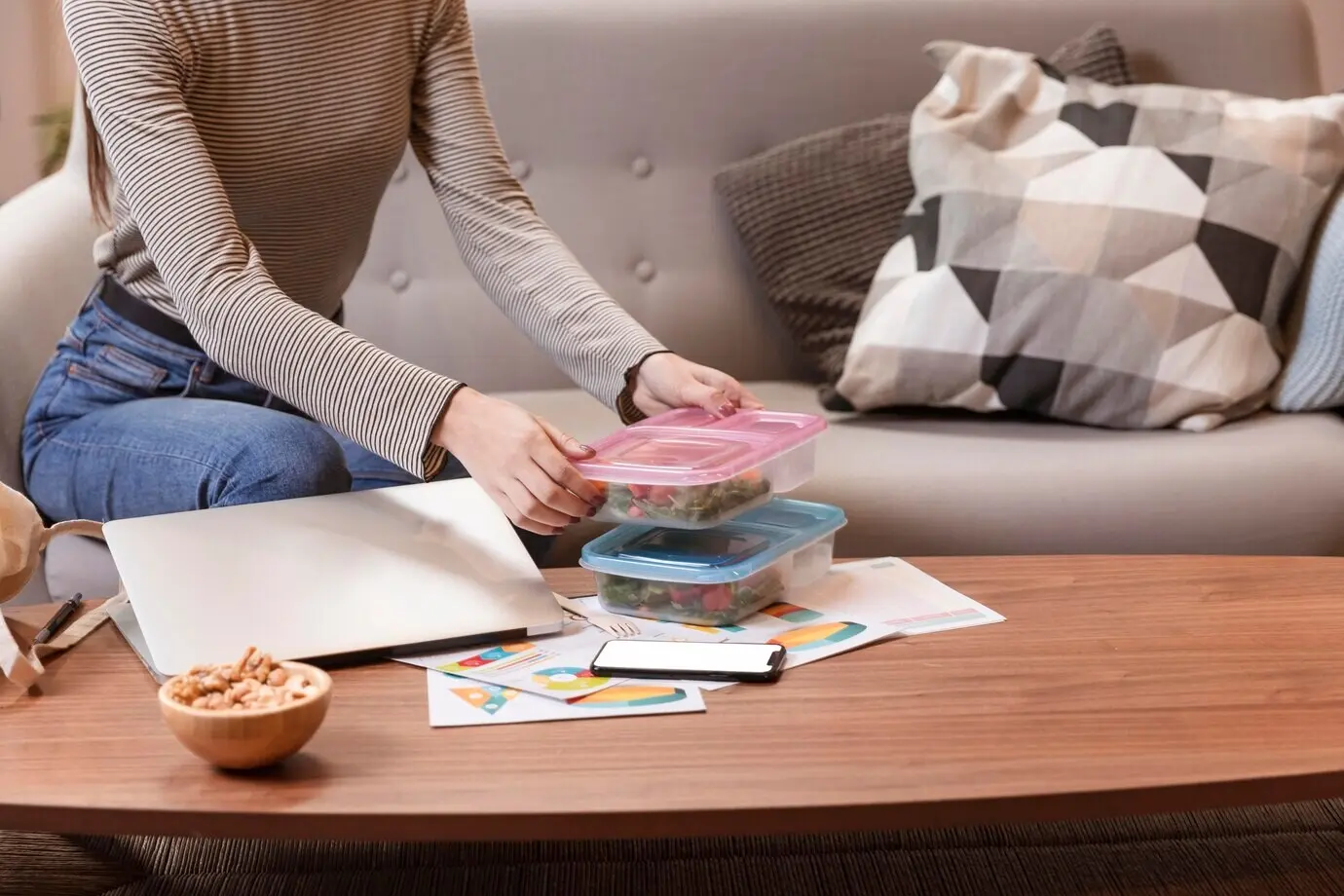
Ask household members to snap one photo before starting a chore and one after finishing, with a quick note about mood and obstacles. Pair this with a simple timer. Over a week, patterns emerge: delayed starts, recurring mess zones, or missing tools. Use the diary to co-create better staging, clearer triggers, and friendlier sequencing that invite action rather than demanding willpower alone.

Service Safaris Through Your Own Kitchen

Pretend you are a first-time guest making breakfast. Can you find utensils quickly? Do labels make sense? Is cleanup obvious? This playful safari reveals confusing layouts and awkward paths that regulars stopped noticing. Fix one thing immediately—relocate a tool, add a label, or simplify a drawer. Invite others to try the safari, compare impressions, and vote on the next small upgrade to test.

Turning Insights Into Smoother Routines

Translate observations into focused opportunities. Re-sequence steps to reduce motion, batch similar tasks, and introduce preparation moments that make starting easy. Add simple triggers like calendar nudges or visual flags. Favor reversible experiments and short cycles so learning compounds quickly. Share before-and-after photos, celebrate small wins, and retire complicated ideas fast. The goal is everyday flow, not perfect choreography that strains patience.

Single-Minute Setup and Clear Handoffs

Design every chore to start in under sixty seconds: tools ready, surfaces clear, and the first step obvious. Define handoffs explicitly, like moving laundry to a visible station when the washer finishes. This minimizes stalls and uncertainty. When setup is painless and the next owner knows exactly what to do, momentum carries the routine forward without nagging or heroic bursts of energy.

Checklists, Cues, and Visual Management

Create tiny checklists that live where work happens, supported by labels, color codes, and friendly reminders. Keep everything short and obvious. Visual management turns memory work into glanceable guidance, reducing mistakes and arguments. Choose designs that match your home’s style so they invite use rather than clutter. Update them together monthly, retiring steps that no longer matter and celebrating smoother flows.

Experiment Cards and Weekly Retrospectives

Write simple experiment cards: hypothesis, change, measurement, and next step. Run two small tests per week, review outcomes over a relaxed drink, and keep only what helps. This rhythm builds psychological safety and shared ownership. Everyone learns to tweak without blame. Over time, your blueprint becomes a living artifact, improving steadily while fitting real schedules, energy levels, and changing household seasons.

Workload Equity Without Weekly Fights

Use a simple capacity-based allocator: each person estimates available energy, then claims tasks accordingly. Rebalance on Sundays, not mid-crisis. Track only meaningful outcomes, not minute-by-minute effort. Transparency prevents martyrdom, and flexibility prevents burnout. Over time, the group discovers satisfying matches between personalities and responsibilities, transforming chore assignments from dreaded negotiations into a steady rhythm built on trust and observable fairness.

Rituals, Rewards, and Micro-celebrations

Anchor routines with tiny delights: a favorite playlist for cleanup, a scented candle after dishes, a group high-five when laundry is folded. Keep rewards intrinsic and immediate. Snap a quick progress photo and share it in your chat. These playful acknowledgments build momentum and help routines stick during stressful periods. People return to what feels good, doable, and genuinely appreciated by others.

Scaling, Automation, and Resilience

Extend your blueprint as seasons, occupants, and constraints change. Integrate calendars, reminders, and smart devices carefully, ensuring tech supports behavior rather than replacing it. Stabilize supplies with lightweight inventory rules and batch errands. Prepare for disruptions—guests, holidays, illness—by predefining flex modes. A resilient system prioritizes clarity, kindness, and recoverability, delivering steady outcomes even when energy dips or schedules wobble unexpectedly.

Smart Integrations That Actually Help

Adopt technology that earns its keep: shared lists that auto-sort by store layout, sensors that nudge only when action matters, and voice shortcuts that log tasks hands-free. Avoid noisy notifications and obscure dashboards. Pilot one integration at a time, measure friction reduced, and uninstall quickly if it disappoints. Thoughtful tech amplifies good habits, protects attention, and quietly keeps essentials from slipping.

Inventory, Replenishment, and Waste Reduction

Create a simple par system for household staples, with a visual marker when quantities hit reorder points. Batch shopping trips and place recurring orders for predictable items. Store goods where they are used, labeled for speed. Periodically prune rarely used supplies. These small controls prevent last-minute scrambles, reduce waste, and lower costs, while keeping your blueprint grounded in the reality of everyday consumption.

Stress Tests for Holidays, Guests, and Sick Days

Run tabletop exercises for likely disruptions. Ask, who covers dishes during a flu, where do guests place shoes, and how does recycling change after parties? Document a lighter protocol for busy seasons and a surge protocol for big gatherings. By rehearsing calmly in advance, you transform surprises into manageable variations, protecting rest, hospitality, and sanity when life gets wonderfully, messily complicated.
Vofihuhexenekopipufururi
Privacy Overview

This website uses cookies so that we can provide you with the best user experience possible. Cookie information is stored in your browser and performs functions such as recognising you when you return to our website and helping our team to understand which sections of the website you find most interesting and useful.