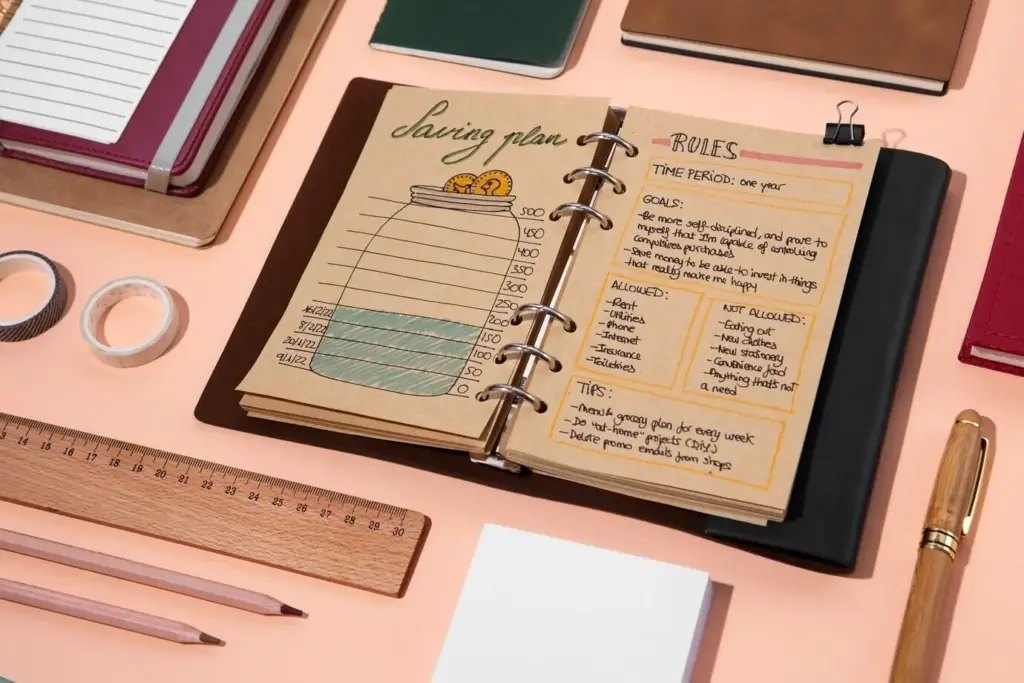
Small Nudges, Stronger Habits Every Day
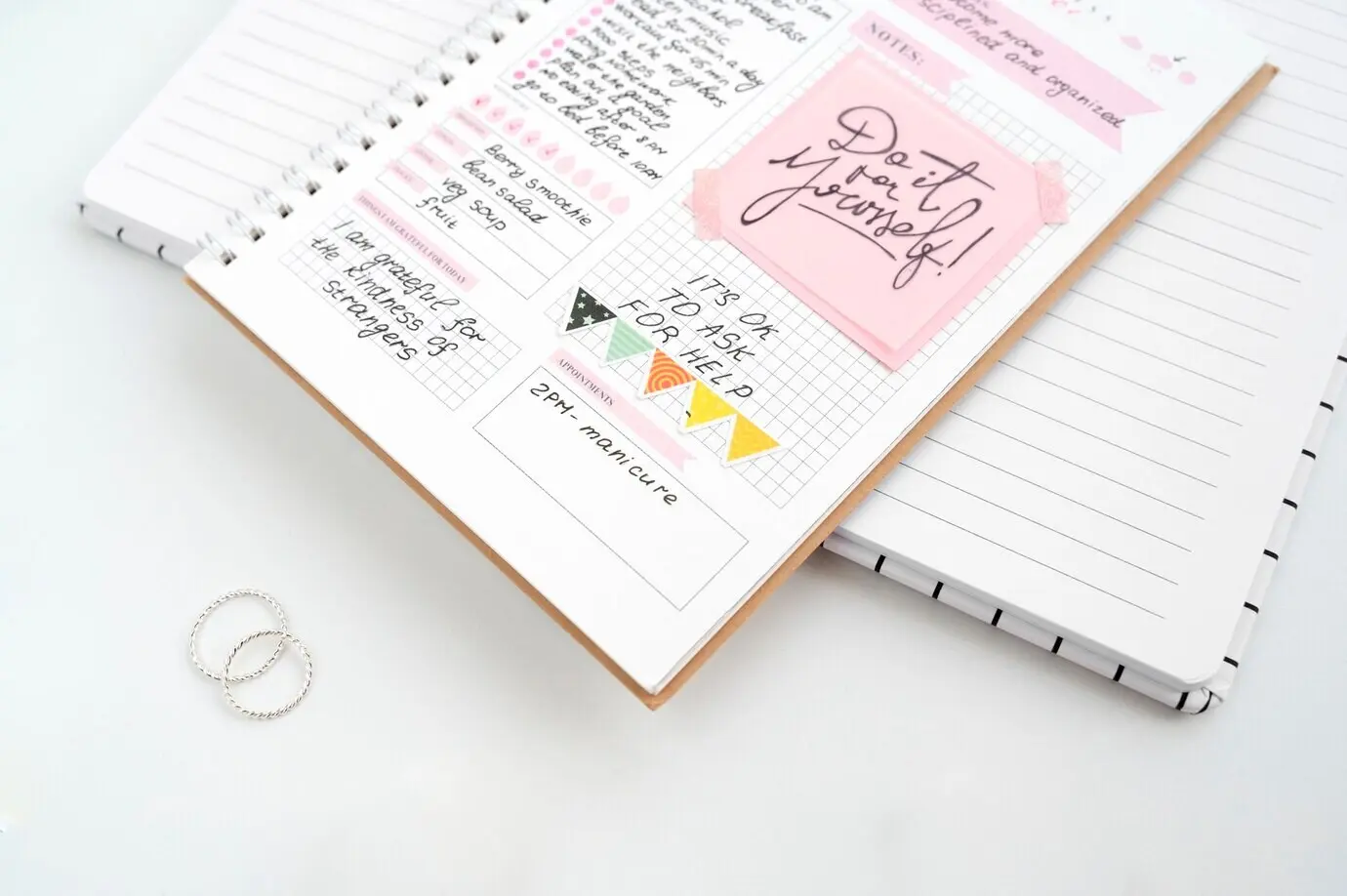
Today we explore behavioral nudges for habit formation in daily routines, showing how tiny design choices, timely prompts, and smart defaults gently guide actions without demanding extra willpower. You will learn practical ways to structure cues, reduce friction, and reward progress, so your mornings, work blocks, and evenings flow more smoothly. Expect evidence-informed tips, human stories, and simple experiments you can try tonight or tomorrow. Share your wins or questions in the comments and subscribe to keep these supportive ideas arriving right when you need them.

Small Pushes, Lasting Change

Great habits rarely arrive through force; they grow when everyday environments make the next right step easy, visible, and rewarding. Behavioral nudges thrive in that space between intention and action, helping you remember, start, and keep going. Think of a light placed over your water bottle, a reminder that appears exactly when you lock your phone, or a bowl of fruit greeting you at eye level. Real progress starts with a tiny, well-timed push that feels like a friendly hand on your shoulder.

Anchor With Something Already Certain
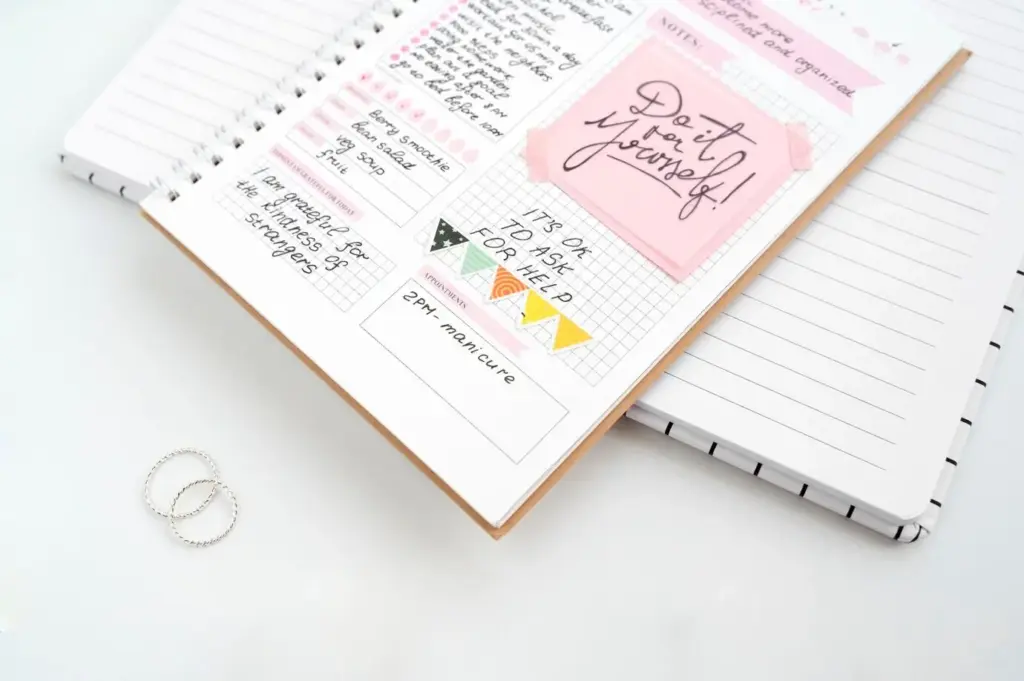
Anchors are actions you already perform without fail, like brushing teeth, feeding a pet, or opening curtains. Tie a new behavior to that anchor using an if-after structure: after I open curtains, I drink water; after water, I note the day’s one priority. This approach leverages reliability you already own. It feels respectful, not forceful, because nothing new competes with everything old; it simply piggybacks on certainty. Start with one small attachment, master it, then consider a second link when it feels natural.

Make First Wins Visible

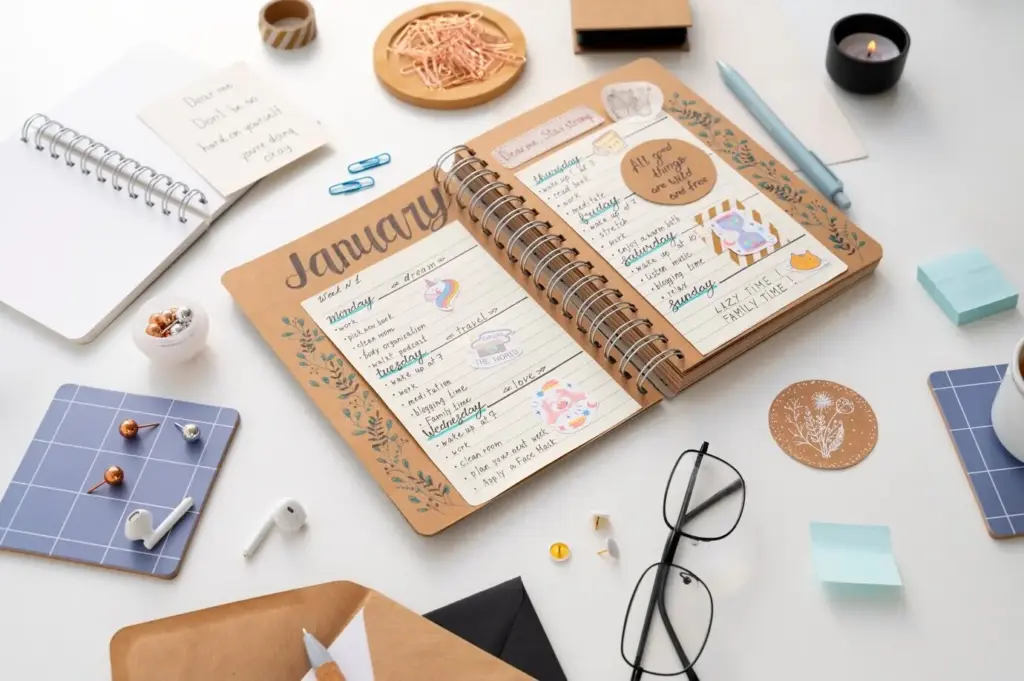
Visibility fuels momentum. Place a small whiteboard or sticky note near your kettle or bathroom mirror and write a single daily win you can achieve before 9 a.m. Think “fill bottle,” “two pages,” or “sunlight for three minutes.” The act of checking a box rewards your brain with a quick success signal. Over time, early micro-wins rewrite your identity toward “I start strong.” Share your favorite first win with us, and we will compile community ideas to inspire everyone tomorrow morning.

Friction, Fuel, and Tiny Rewards

Reduce Steps for Good Choices

Audit the small steps that precede your desired behavior and remove two of them today. Pin the app to your home screen, pre-fill the water pitcher, lay out tomorrow’s outfit, or place the book on your pillow. One reader kept dumbbells by the sofa to turn idle minutes into two tiny sets. Each removed step lowers psychic overhead. When the start is effortless, the rest requires less persuasion. It is not laziness; it is wise architecture designed for realistic human energy across busy days.
Add Tiny Speed Bumps to Temptations

Audit the small steps that precede your desired behavior and remove two of them today. Pin the app to your home screen, pre-fill the water pitcher, lay out tomorrow’s outfit, or place the book on your pillow. One reader kept dumbbells by the sofa to turn idle minutes into two tiny sets. Each removed step lowers psychic overhead. When the start is effortless, the rest requires less persuasion. It is not laziness; it is wise architecture designed for realistic human energy across busy days.

Celebrate Progress Generously, Not Perfectly

Audit the small steps that precede your desired behavior and remove two of them today. Pin the app to your home screen, pre-fill the water pitcher, lay out tomorrow’s outfit, or place the book on your pillow. One reader kept dumbbells by the sofa to turn idle minutes into two tiny sets. Each removed step lowers psychic overhead. When the start is effortless, the rest requires less persuasion. It is not laziness; it is wise architecture designed for realistic human energy across busy days.

Invite a Witness, Not a Warden

A witness applauds your effort and asks curious questions; a warden shames and measures. Select someone who celebrates tiny attempts and understands life’s messiness. Send a photo of your filled water bottle or a note after a brief study block. Agree on gentle prompts rather than rigid demands. This relationship reframes consistency as a shared adventure, not a test. When accountability is compassionate, the nervous system relaxes, making repetition more likely. You want a teammate chasing momentum, not a referee tallying faults.

Leverage Groups and Norms

Groups create expectations that feel natural. Join a chat where members share daily wins before noon, or walk with neighbors every Saturday. Public norms like “stairs first,” “water before coffee,” or “five-minute tidy before bed” become slogans that require no lecture. Research on social proof shows people adopt behaviors they believe most peers already practice. Craft a positive norm in your family or team and watch it spread. Share one norm you would like to popularize, and we will amplify it here.

Use Streaks That Forgive

Streaks motivate, but unforgiving streaks backfire. Build systems that tolerate life’s realities: two skips per month, or a rolling average that rewards overall consistency. A writer we know logs days written, not word counts, and resets gently after illness. The key is protecting identity—“I am someone who shows up”—even when days wobble. Consider visual trackers with buffer days baked in. When streaks forgive, you return faster, carry less shame, and transform habit maintenance into a compassionate practice rather than a brittle, all-or-nothing ritual.

Environments That Whisper the Right Direction

Rather than shouting instructions, let your space whisper the next right move. Countertops display fruit, desks hide distracting tabs behind a single-purpose browser, and nightstands showcase a book while phones rest farther away. These subtle cues shape behavior continuously, without nagging. Make your surroundings tell a story about who you are becoming: a walker, a reader, a deep sleeper, a hydrated thinker. Share a photo of your favorite cue corner, and we will feature creative setups that inspire kinder, easier daily decisions.

Track Lightly, Adjust Wisely

Data can illuminate or intimidate. Track just enough to notice patterns, celebrate efforts, and make small course corrections. A single metric that matters—minutes moved, pages read, glasses of water—can guide decisions without overwhelming you. Pair gentle measurement with reflective questions: what helped, what hindered, and what minor tweak could make tomorrow easier? Think like a gardener, pruning gently and watering regularly. Comment with one habit you will track for two weeks, and return to share what surprised you most.

Choose One Metric That Matters

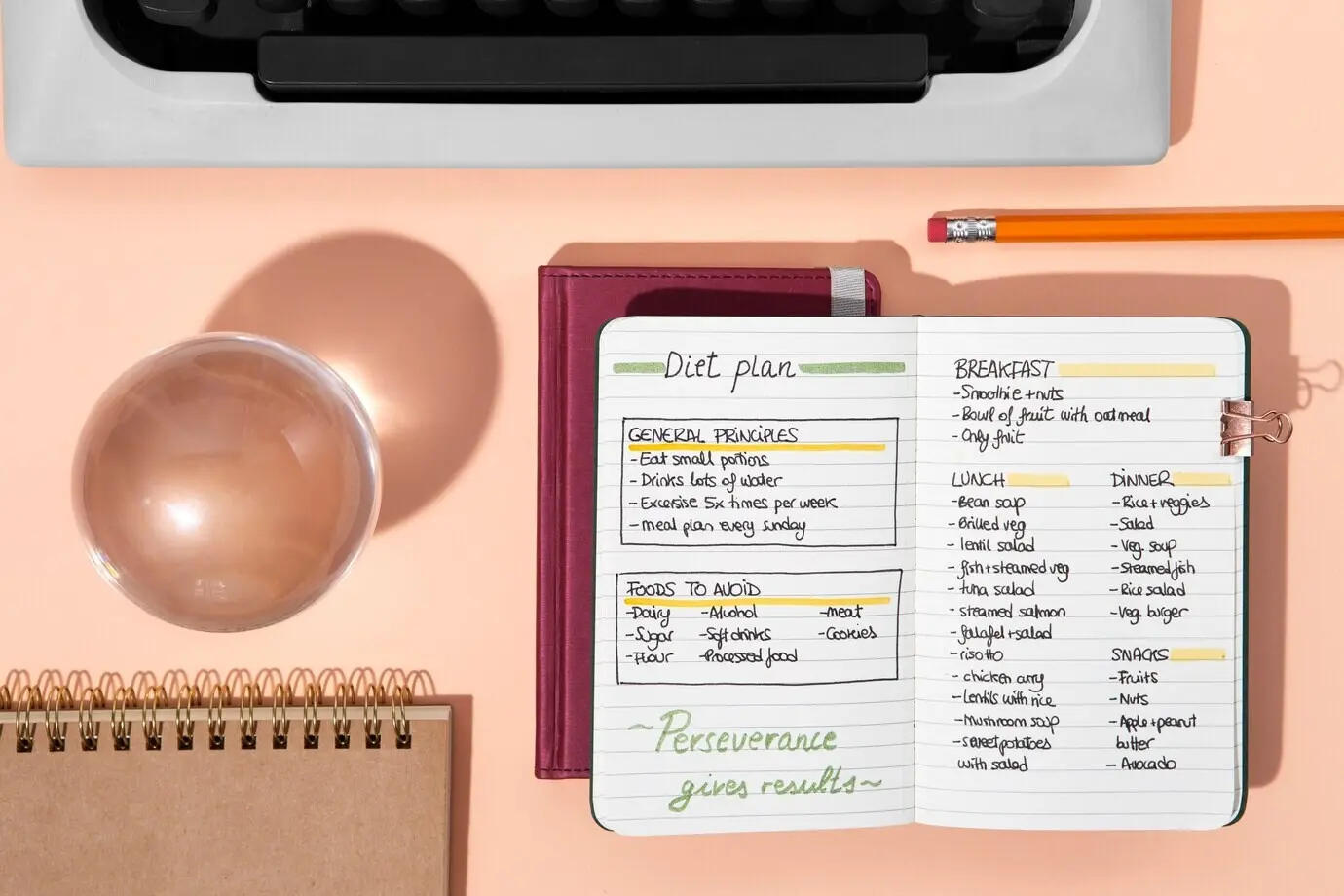
Many dashboards create noise; one metric creates focus. If you want better sleep, count lights-out time. For movement, log minutes, not intensity. For learning, track pages or sessions begun. Simplicity uncovers trends you might miss otherwise. A musician friend switched from noting hours to simply starting daily; beginnings tripled. Your metric should feel encouraging, not accusatory. When data clarifies rather than critiques, you naturally lean toward repetition. Pick your metric today, write it where you will see it, and protect it from clutter.

Run Tiny Experiments

Treat each week like a small lab. Change one variable—time of day, location, or cue—and observe. Try water before coffee for seven mornings, or swap a noisy corner for a quiet nook. Keep notes short and honest. Curiosity replaces judgment, making setbacks informative. A student moved flashcards to lunch breaks and doubled retention simply by matching energy to task. End each experiment by asking, “What made starting easier?” Share your favorite finding with the community so we can all borrow your discovery.
Vofihuhexenekopipufururi
Privacy Overview

This website uses cookies so that we can provide you with the best user experience possible. Cookie information is stored in your browser and performs functions such as recognising you when you return to our website and helping our team to understand which sections of the website you find most interesting and useful.